Cat Tree Design Review for Embroidery Projects
First Impressions of Cat Tree Design
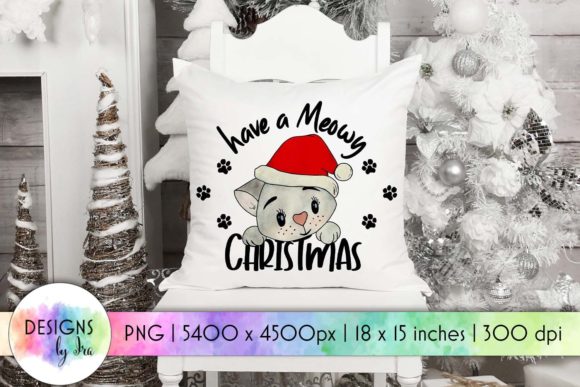
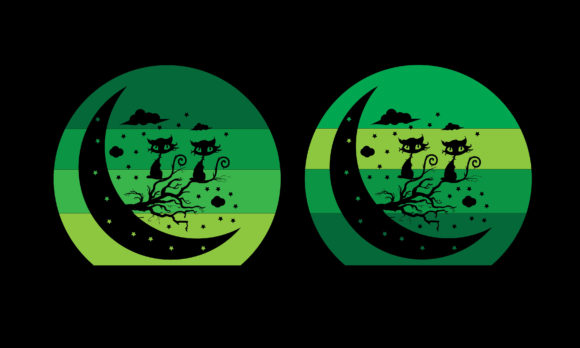
At first glance, Cat Tree Design feels like a friendly and playful addition to any embroidery collection. The design carries a whimsical vibe that’s perfect for projects aimed at cat lovers or those who appreciate cute, nature-inspired motifs. The layout is clean, with well-defined shapes and a balanced composition that makes it easy to visualize how it would look stitched onto fabric.
The use of vector-based elements in 300 DPI resolution gives the design a crisp, professional feel. It’s clear this wasn’t just thrown together—it has a level of detail that speaks to thoughtful creation. The CMYK color mode ensures that when you modify the colors, they remain consistent across different materials and lighting conditions. This is especially important for custom apparel or handmade products where color accuracy matters.
Real-Life Scenario: Custom Embroidered Tote Bag
Let’s imagine using Cat Tree Design on a custom embroidered tote bag. As an embroidery designer, I’d consider how the design interacts with the fabric texture and the overall aesthetic of the product. A tote bag is a great medium because it allows for larger hoop sizes and more detailed stitching. The tree shape would sit nicely in the center, surrounded by space for text or other embellishments.
I’d test the design on scrap fabric first to see how the stitch density affects the look. If the design is too dense, it might cause puckering or distortion on thinner fabrics. But given that it's a machine embroidery design, I expect it to handle well on most standard cottons or polyester blends used in custom apparel.
The ability to change thread colors is a major plus. For a tote bag, using a dark background with bright, contrasting thread colors could make the Cat Tree Design pop. It’s also a good fit for personalized gifts or small shop products, as it adds a unique touch without being too overwhelming.
Where Cat Tree Design Shines
Cat Tree Design is versatile enough to work across a variety of embroidery projects. Here are some ideal applications:
- Custom Apparel: Sweatshirts, t-shirts, or even baby clothes can benefit from this design. It adds charm without competing with other details.
- Embroidered Patches: Perfect for craft business items or Etsy sellers looking to offer unique patches for jackets, backpacks, or denim.
- Tote Bag Design: As discussed earlier, the size and structure of the design make it a natural fit for larger surfaces.
- Applique Design: When layered over fabric, the design can be used as part of a larger motif or decorative element.
- Holiday Embroidery: With its nature theme, it could be adapted into seasonal designs, such as a “Welcome Home” gift or a cozy winter accessory.
Where to Use with Caution
While Cat Tree Design is adaptable, there are certain scenarios where extra care should be taken:
- Small Hoop Sizes: The design may not translate well to smaller hoops, so ensure the final project allows for proper coverage.
- Dark Fabric Backgrounds: While the design is editable, testing on dark fabric is essential to confirm visibility and contrast.
- Stretchy Fabrics: On stretchy materials like knits, a proper stabilizer will help maintain the integrity of the design.
- Detailed Corners: If the design includes intricate corners, check that the stitch paths don’t cause fraying or distortion during the embroidery process.
Design Impact on Visual Appeal and Product Value
A well-executed Cat Tree Design can elevate the visual appeal of any finished product. Whether it's a handmade product sold online or a commercial embroidery item, the right placement and color choices can significantly enhance customer engagement and brand recognition.
For craft business owners or small shop product creators, using this design consistently across merchandise can help build a cohesive brand identity. It also adds a personal touch to personalized gifts, making them more memorable and meaningful.
From a practical standpoint, ensuring the design works well on both light and dark backgrounds expands its usability. This flexibility is crucial for digital embroidery file users who need to preview their designs in various contexts before finalizing production.
Practical Embroidery Designer Notes
Before committing to using Cat Tree Design in a real project, here are a few steps I recommend:
- Test on Scrap Fabric: Always do a test run to see how the design behaves with your chosen fabric and thread colors.
- Check Thread Color Contrast: Especially if using it on dark fabric, ensure the colors stand out and won't fade after washing.
- Review Stitch Density: High-density areas may require additional stabilizer or adjustments to prevent puckering.
- Confirm Hoop Size: Make sure your hoop size accommodates the full design without cutting off important details.
- Inspect Small Details: Look closely at the design to ensure no small elements are lost in translation when stitched.
- Test in Black and White Mockups: This helps identify how the design will look on different fabric types and under various lighting conditions.
- Use Proper Stabilizer: Especially on thin or stretchy fabrics, a good stabilizer is key to achieving a clean finish.
- Confirm Licensing: Before selling finished items or digital versions, always verify the licensing terms to avoid legal issues.
Cat Tree Design has a lot to offer, but like any embroidery project, success depends on thoughtful planning and execution. By considering the above points, you’ll be able to use this design effectively in your next creative endeavor—whether it's for a client, a handmade gift, or a new product line.